








How to Store Ski Gear
End-of-Season Checklist: Put Your Gear to Bed Right
We know, you’re probably already tinkering with your mountain bike derailleur and wishing you’d gotten it tuned in the fall… But before you turn your attention to your summer sports, be sure not to make the same mistake with your ski gear.
Your ski gear brings you so much joy, it deserves to be put to bed with a little love. Besides, it’s all really expensive, so taking good care of it will prolong its life and save you money in the long run. (Whether you save the extra cash for après next season or a much-needed pedicure now is up to you.)

Edges getting a factory refresh
Here’s our end-of-season checklist to set you up for next ski season. It may be a pain in the butt now, but you’ll thank us when that October snowstorm rolls in and you want to get back after it.
Skis
The biggest threat to your skis during the summer is oxidation—rust on the edges and dry rot on the polyethylene bases. Left untreated, air penetrates the base material at a microscopic level, breaking down the long molecular chains that give your bases their strength and glide. To protect them, start by wiping down your skis and bindings with a damp cloth, removing any dirt or salt, then dry them thoroughly. Inspect the edges and bases for burrs, rust, or white discoloration, and polish them out with a diamond or gummy stone. (Unaddressed, these accelerate rusting and will eventually require deeper grinding.) Repair any base gouges, then coat the entire base and edges with a thick layer of warm-weather wax. Don’t scrape—think of it as your skis’ summer blanket—but remember to do it before your first run next season. No iron or wax on hand? Book a Wagner Spa Tune before you put them away.

Boots
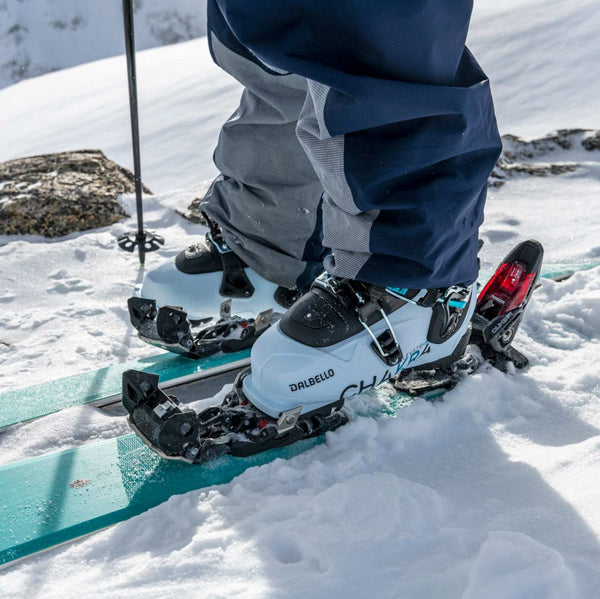
Proper boot storage is just as important as caring for your skis. A damp boot can mildew inside, and one stored unbuckled may lose its shape and fit differently come November. Start by pulling the liners out of the shells and removing the footbeds, letting everything dry thoroughly in a cool, dry place. Clean the shells inside and out with a mild detergent, rinse, and dry. Then do a thorough inspection: Check buckles, screws, and canting hinges; look for cracks in the plastic, particularly on boots older than five years; and pay close attention to lug wear at the toe and heel, since uneven wear can compromise binding release. If anything looks off, bring them to your bootfitter before next season (most buckles can be replaced, some cracks can be welded, and many lugs are replaceable). Finally, buckle them up and store them in a cool, dark, dry place.

Boots & gear awaiting their spring clean
Outerwear
Your ski jacket and pants deserve some end-of-season attention too—and the best thing you can do for them is to give them a proper wash. Over time, dirt, body oils, and residue from ordinary household detergents break down the Durable Water Repellent (DWR) finish that keeps you dry on the hill. When that happens, water stops beading on the surface and instead soaks in, and moisture vapor can no longer escape from the inside—leaving you wet from both directions. The fix is easy: Wash your outerwear with a cleaner specifically designed for technical fabrics, like Nikwax Tech Wash. Unlike regular detergents, a proper technical wash cleans without harmful residue and helps restore both breathability and water repellency.

Skier applies skins for the final summit of the season
Skins
Skins are easy to overlook at the end of the season, but storing them well will prolong their life. (Especially if you accidentally dropped them in the dirt like we did this spring.) Look over the glue surface for pine needles, dirt, or debris, and remove everything you can by hand. If the glue is looking tired, consider refreshing it with a hot iron before putting them away. Then apply your skin savers—the plastic mesh that came with your skins—to protect the adhesive surface, fold the skins, and tuck them into their skin bag. Store them somewhere cool, dark, and dry; skin glue doesn’t like heat.
Beacon
Corrosion is the worst enemy to electronics, especially ones as costly as beacons. Always take the batteries out of your beacon in the off-season—and even between tours if you don’t go all that often. If you forget, it could be a very costly mistake. Make sure the battery compartment is completely dry, and then store your beacon in a cool, dark, dry place.
Once all that’s done, you can get back to that derailleur. Happy spring!

--
Article by Kimberly Beekman
Kimberly Beekman is the former editor-in-chief of the late, great Skiing Magazine (RIP), and a longtime editor of SKI Magazine before that. She currently uses the title of “freelancer” as a beard to ski powder all over the world. She lives in Steamboat, Colorado, with her wonderful daughter and terrible cat.